Pick a serotype that doesn't reach your cells and the cleanest construct in the world won't help you. Serotype is the single biggest lever on where — and how strongly — an AAV expresses in vivo, yet it's often chosen by habit. This guide walks through the decisions that actually change your result.
Start With Tropism
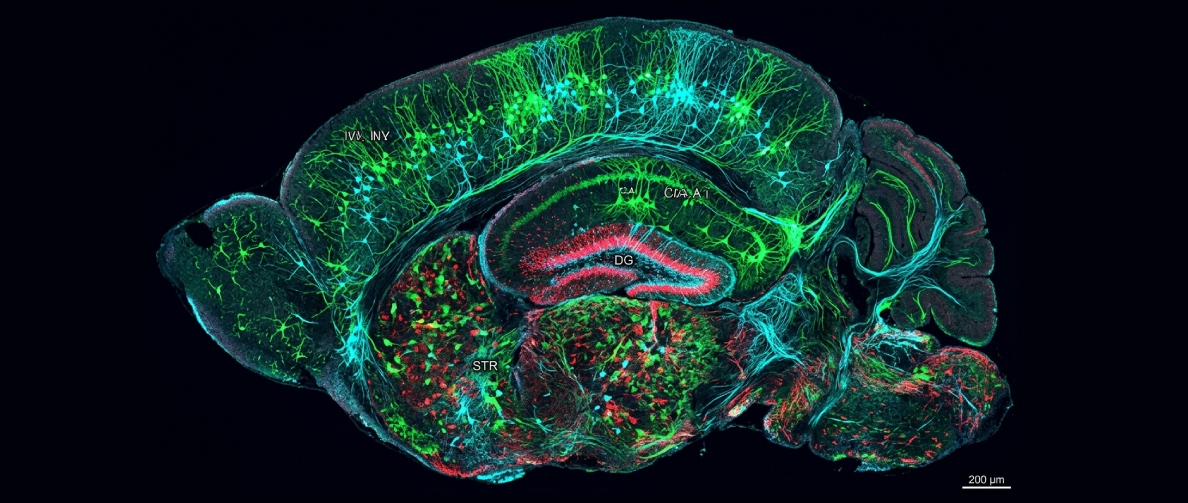
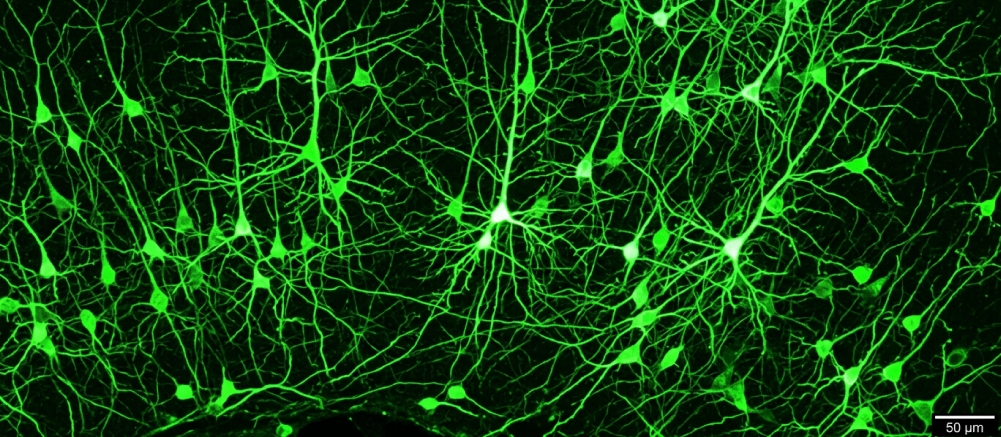
Every capsid has a preference for certain cell types and tissues. For most rodent brain work, AAV9 and AAV5 are dependable broad transducers of neurons, while AAV1 and AAV2 stay more local to the injection site. If you need glia, the right promoter matters as much as the capsid — but the capsid still sets the ceiling on how many cells you can reach.
Before optimizing anything else, write down two things: the cell type you need to hit, and how far from the injection site it sits. Those two answers eliminate most of the serotype list immediately.
Rule of Thumb
Choose the capsid for the cells, then the promoter for the specificity. Trying to fix poor tropism with a stronger promoter rarely works.
Crossing the Blood–Brain Barrier
If you want broad CNS expression without dozens of stereotaxic injections, engineered capsids change the math. AAV-PHP.eB crosses the blood–brain barrier efficiently in many mouse strains after a systemic dose, giving widespread neuronal expression. It's strain-dependent, though — confirm it works in your background before committing a cohort.
Systemic vs local delivery coverage
Directional Labeling
Circuit work often needs the virus to move, not just express. A few capsids are chosen specifically for that:
AAV2-retro and AAV11Taken up by axon terminals for retrograde labeling of projecting neurons.
AAV1Anterograde trans-synaptic spread when injected at high titer, useful for mapping downstream targets.
AAV-PHP.SBiased toward the peripheral nervous system after systemic delivery.
Choose the capsid for the cells, the promoter for the specificity, and the titer for the dose — in that order.
Titer and Dose
Two preps at the "same" titer can behave differently if titered by different methods, so compare like for like — we report genome copies by ddPCR. Once you trust the number, dose is your fine control: more volume or higher titer spreads expression wider, but overshooting can cause toxicity and off-target spread. Pilot a small dose series before scaling a cohort.
A Quick Decision Checklist
Goal
Reach for
Broad neuronal expression, local
AAV9, AAV5
Broad CNS, systemic (mouse)
AAV-PHP.eB
Retrograde labeling
AAV2-retro, AAV11
Anterograde trans-synaptic
AAV1 (high titer)
Peripheral nervous system
AAV-PHP.S, AAV9
Still unsure which capsid fits your model? Send us the cell type and region you're targeting and a vector scientist will recommend a serotype and titer — usually within a business day.